Our Preservation Story
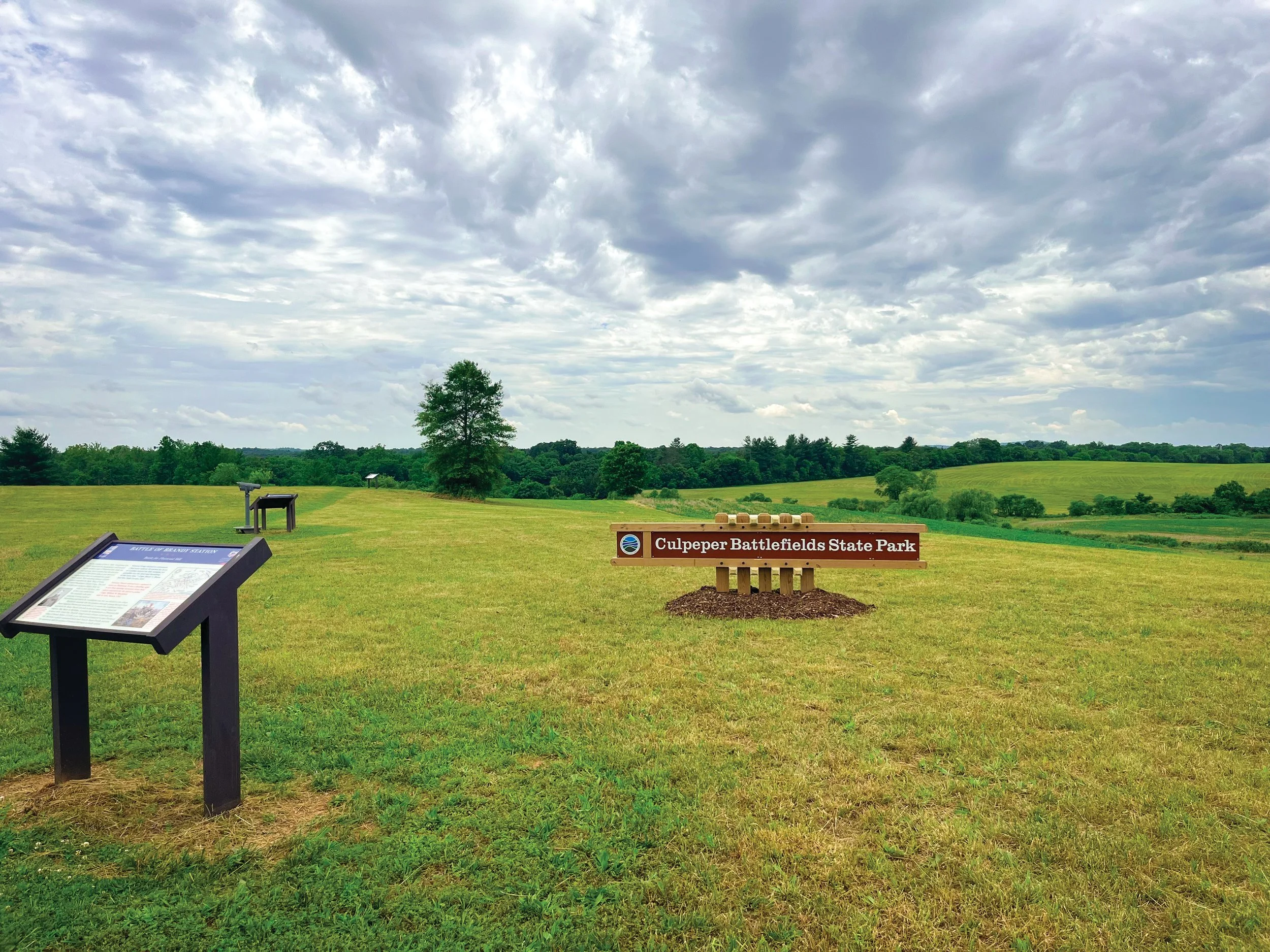
The journey of Virginia’s 43rd state park, the Culpeper Battlefields State Park, begins with Brandy Station Battlefield. From one of the nation’s 11 Most Endangered Historic Places in 1993 to the cornerstone of the Commonwealth’s 43rd state park.
The remarkable tale, flooded with tenacity and long-term vision by a host of entities over the course of decades – beginning with the American Battlefield Trust’s predecessor organization, the Association for the Preservation of Civil War Sites (APCWS), and extending through Gov. Glenn Youngkin and his administration. These efforts ultimately culminated in the donation of some 1,700 acres of the battlefields at Brandy Station, Cedar Mountain, Kelly’s Ford and Rappahannock Station, plus Hansbrough’s Ridge, site of a Union army encampment in 1863-64.
Creation of the park in the heart of the bucolic Virginia Piedmont was authorized by Virginia Gov. Glenn Youngkin as part of the Commonwealth’s two-year budget plan in June 2022, after seven years of behind-the-scenes discussions. In addition to clearing the way for the American Battlefield Trust and Brandy Station Foundation to donate land outright to the state, the budget also appropriated a further $3 million for the Trust to purchase 800 more acres of historic land with the goal of augmenting the overall experience for park visitors.
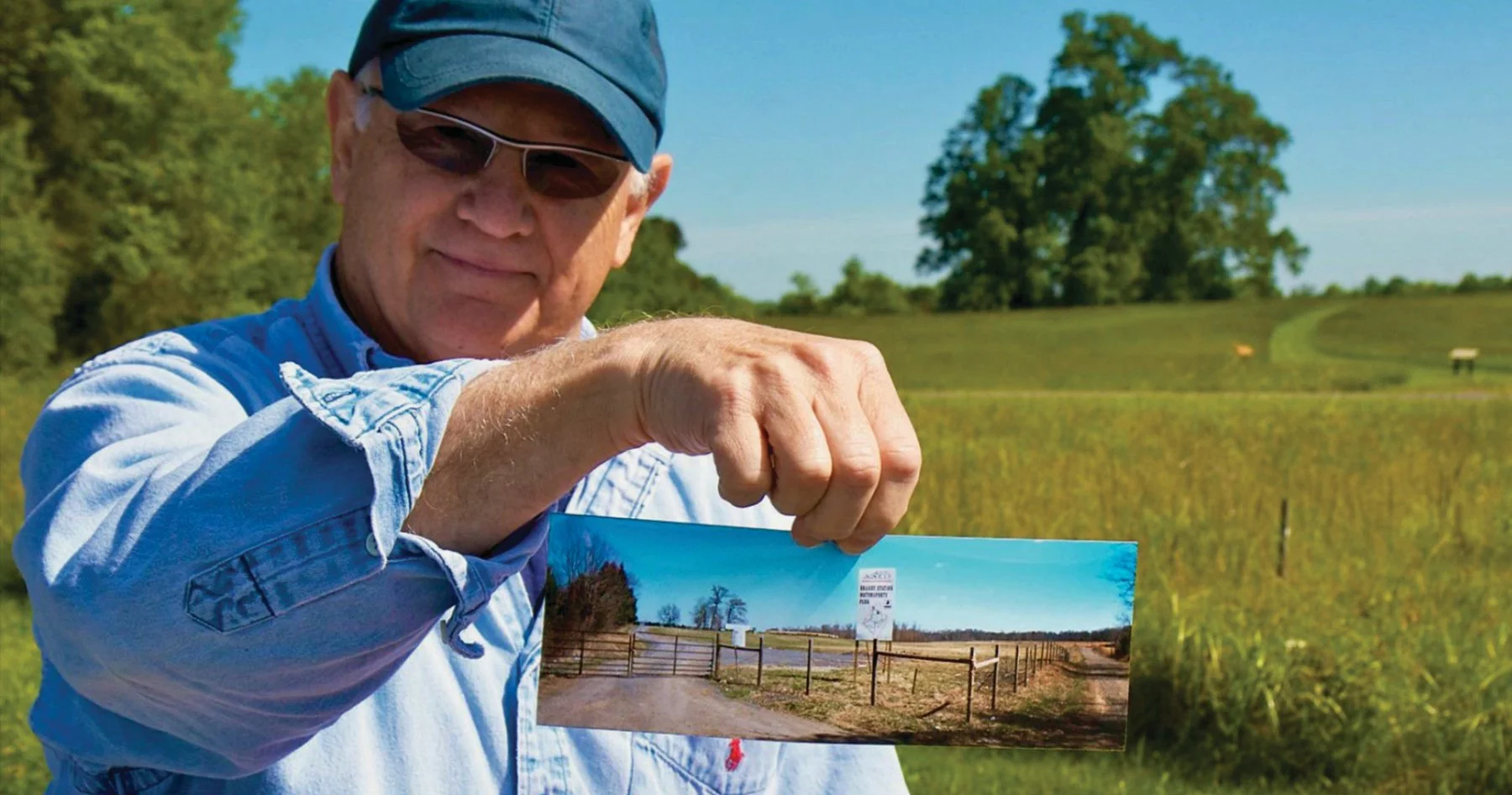
The first big threat to Culpeper County’s battlefields came in the early 1990s, when 1,500 acres at Brandy Station were rezoned for commercial development. Around that time, a proposal was put forward to build a Formula One racetrack at the heart of the battlefield, but the preservation movement banded together with local activists and the project was blocked. The vulnerability of the crucial battlefield demonstrated, land acquisition efforts began in earnest in 1997, ACPWS purchased a 571-acre tract in the northern part of the battlefield around Buford’ Knoll.
Fleetwood Hill
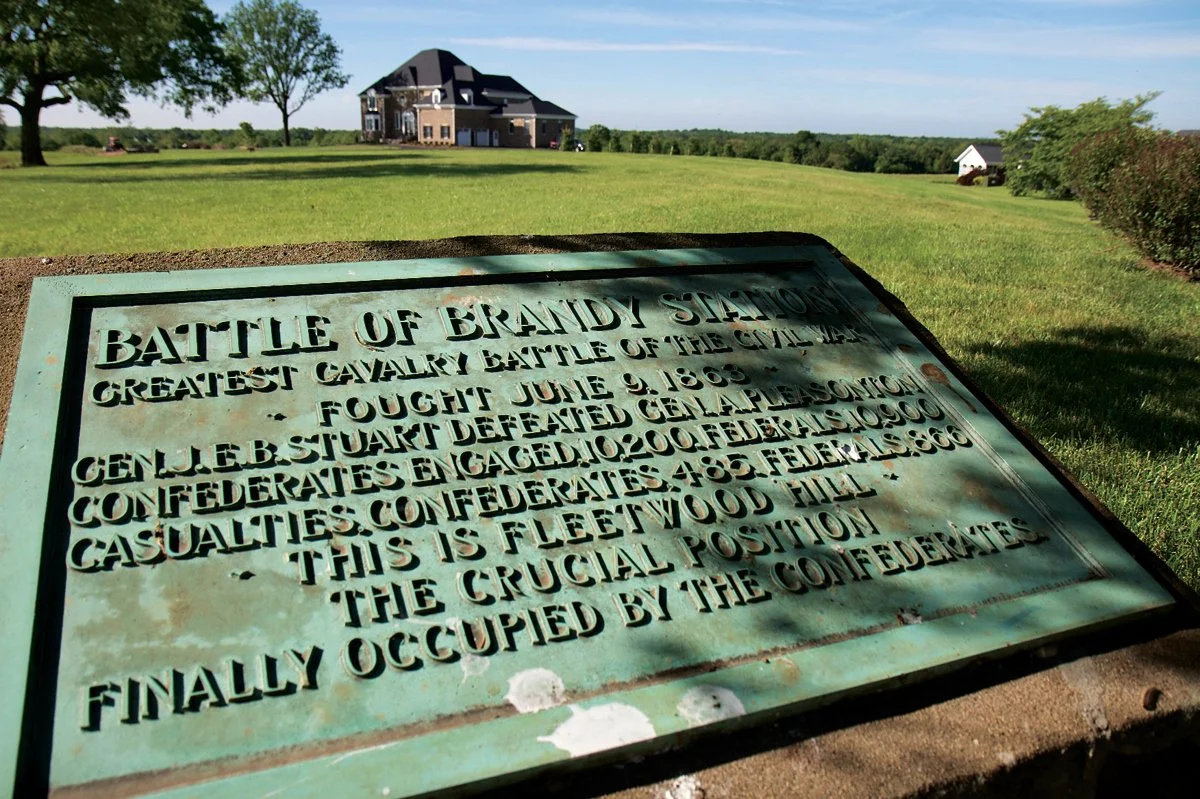
While the Battle of Brandy Station raged across thousands of acres of the Virginia countryside, the key to the battlefield was Fleetwood Hill. This was the site of Gen. J.E.B. Stuart’s headquarters. Thousands of troopers engaged in fierce combat at close quarters to claim this crucial strategic position. In 2008, the Civil War Trust took its first steps toward preserving this land, acquiring not one, but two crucial tracts on both sides of the hill. For the first time in 150 years, the land where Stuart’s cavalry faced off against Gen. David Gregg’s Union troopers for control of the Virginia countryside had been at least partially preserved. But there was much more work to be done.
In 2009 and 2019, two landowners donated conservation easements on their land to the Commonwealth of Virginia, ensuring the preservation of 782 acres. These easements permanently prevented any kind of development on two tracts, including a large section of the battlefield north of Fleetwood Hill. One of the tracts included the stone wall that Rooney Lee’s Confederated troopers used in their defense against Buford. Preserving the land there not only prevented the destruction of the hallowed ground but also connected two major pieces of the battlefield.
But the crest of Fleetwood Hill – called by historian Clark B. “Bud” Hall the “most fought-upon, marched-upon, and camped-upon piece of ground in American history,” was still in private hands, crowned by a large modern house. After negotiations, the landowner was willing to sell to the American Battlefield Trust and, in 2013, the organization embarked on a $3.6 million fundraising campaign to purchase and restore the 56-acre property to its wartime appearance. Thanks to member donations, matching grants from the federal American Battlefield Protection Program and the Commonwealth of Virginia, plus assistance from the Central Virginia Battlefields Trust, reclamation work began the following year.